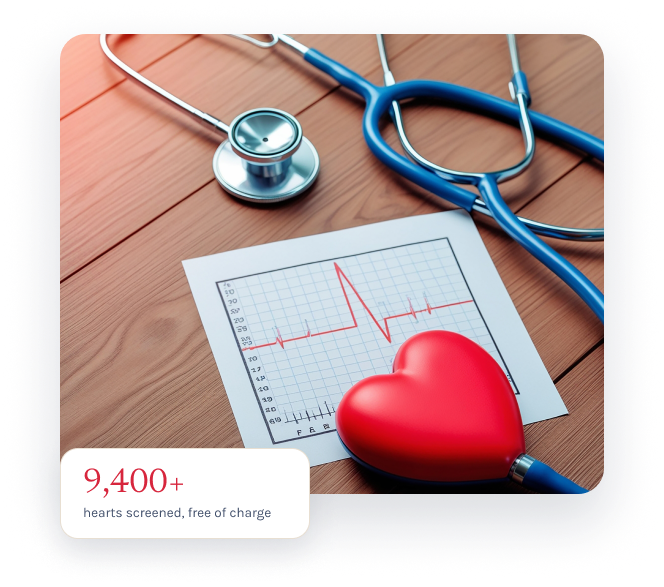
Roughly 1 in 4 deaths in India is now caused by cardiovascular disease, and more than half of those deaths happen before the age of 70. The Society of Cardiac Care works to change that through awareness, training and early detection.
The numbers behind India’s quietest and largest health emergency.

Cardiovascular disease kills roughly ten times as many Indians as tuberculosis does. Public health campaigning has not caught up with that gap
Indians have their first heart attack around age 57, seven to eleven years earlier than in Western countries. Prevention cannot wait until fifty
Of Indians living with hypertension, barely a quarter have ever been told. Fewer than one in seven are on treatment. A five-minute check closes that gap.

Our annual charity run. Entry goes straight to the Surgery Support Fund — last year it paid for eleven procedures.
Want a camp in your neighbourhood? We need a hall, tables and forty willing neighbours.
Many specialists.
One heart team.
Heart disease is treated across three separate specialities; cardiology, cardiac surgery and cardiac anaesthesia, that rarely share a public platform. The Society of Cardiac Care brings them together as one heart team, so that prevention, diagnosis, treatment and recovery are explained to the public as a single, connected pathway rather than four disconnected appointments.
Three specialities that usually work apart, working together.

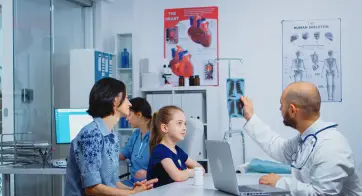
Finds the problem early. Blood pressure, cholesterol, ECG and rhythm — the checks that decide whether a person ever needs an operating theatre at all. Prevention and diagnosis
Repairs what medication cannot. Bypass, valve repair and structural correction — used when a blockage or defect has already gone past what drugs can manage. Repair and intervention
Keeps the patient safe through it. Anaesthesia, intensive care and the recovery period that determines how well someone actually lives after surgery. Safety and recovery
Four areas of work, all built on the same principle — that most cardiac events can be seen coming.
Sessions on heart health for schools, colleges, workplaces and residential communities, delivered by practising cardiologists, surgeons and anaesthetists in plain language.
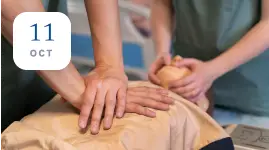
Short, practical training in hands-only CPR and basic life support for people most likely to be first on the scene; teachers, drivers, security staff and students.
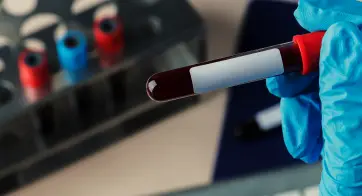
Blood pressure, sugar and ECG checks at sessions where a partner hospital or host organisation can provide facilities, with each result explained and a clear referral pathway.
Assistance for patients whose diagnosis has outgrown what they can arrange on their own, so that cost is not the reason a treatable condition goes untreated.
Four things worth understanding before you ever need a cardiologist. Each one takes a few minutes and costs nothing.

Chest tightness, breathlessness on mild effort, pain moving to the jaw or left arm, or a cold sweat with no exertion. Acidity is the most common misdiagnosis people give themselves.

Blood pressure, fasting blood sugar, cholesterol and waist circumference. Most people who have a cardiac event in their thirties had never had these four checked.

A family history of early heart disease, diabetes, long-standing high blood pressure or symptoms during exertion are all reasons to see a cardiologist rather than wait.

Cardiac arrest is survivable if someone nearby starts chest compressions immediately. Hands-only CPR takes ninety minutes to learn and needs no medical background.
Six years of Saturdays, in their own words.
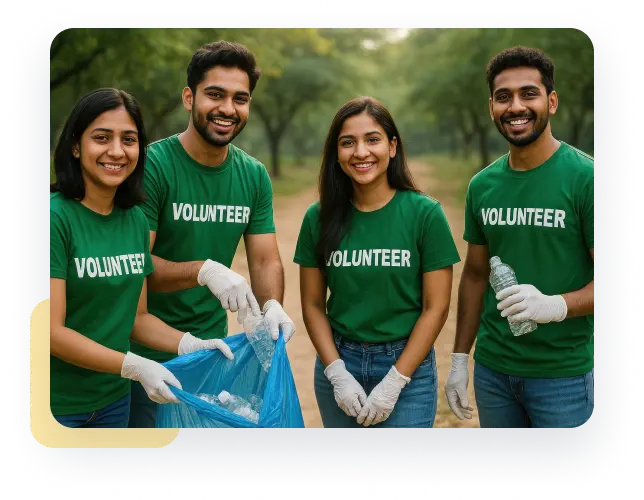
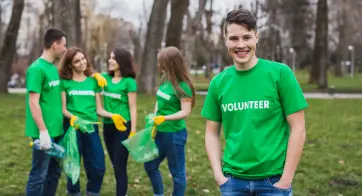
The Society is open to doctors, medical and nursing students, allied health professionals and anyone willing to give time. Clinicians lead sessions and screenings. Students learn under supervision. Everyone else keeps the programme running — organising venues, managing registrations and following up with people who were flagged.
We work with resident associations, colleges, companies, factories and other medical societies who can provide a venue or an online platform. You handle the audience and the space. We handle the doctors, the content and the equipment.
a focused health talk
for teams across cities
to the host organisation
Blood supply partner
Referral & cath lab
Camp logistics
Volunteer corps
Membership, donations, or hosting a camp in your area — write to us and a real person replies.
+91 91234 56780
One short email a month. Nothing else, ever.