
Someone gets chest pain, decides it is acidity, waits a day, and by the time they reach a hospital, the damage is already done. That gap between what medicine knows and what an ordinary family knows is the reason this society exists.
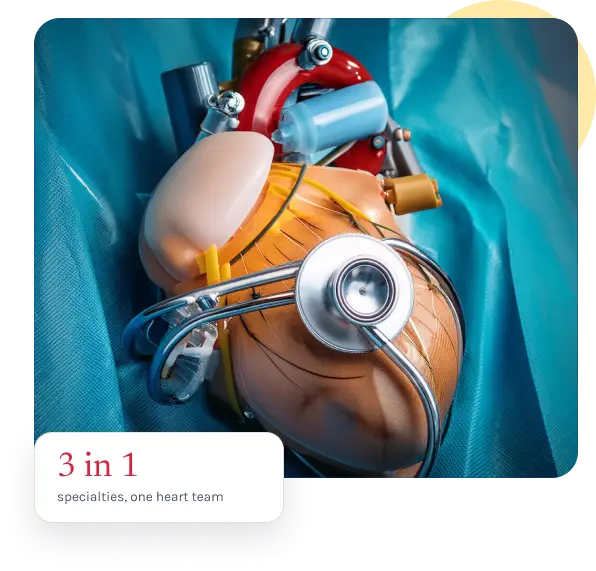
The Society of Cardiac Care is a group of doctors who treat heart disease at different stages. Cardiologists find the problem. Cardiac surgeons repair what medicine cannot. Cardiac anaesthetists keep patients safe through surgery and through recovery.
Inside a hospital, these three fields work closely together every day, but they rarely speak to the public together. We think they should, because a person outside a hospital does not experience three specialties. They experience one illness. So we came together on one platform. In medicine, this way of working is called a heart team, and it is the idea this society is built on.

Much of our attention is on younger people. India already puts real effort into awareness around tuberculosis and malaria, and that effort has shown results. Heart disease has not had the same attention, even though Indians tend to have their first heart attack years earlier than people in Western countries.
Someone in their twenties or thirties rarely thinks about blood pressure or cholesterol. By the time they do, the conversation has usually moved from prevention to treatment.
We also meet people whose treatment stops for reasons that have nothing to do with medicine. A diagnosis is made, a procedure is advised, and the family simply cannot arrange what it costs. Where we are able to help those patients, we do.
To help people understand their own heart health early and in plain language, and to make sure those who need medical attention actually reach it. We work through public talks and health sessions, training in hands-only CPR and basic life support, screening alongside partner hospitals and host organisations, and support for patients whose treatment has become a question of money rather than medicine.
An India where getting your blood pressure checked at thirty is an ordinary habit, where a person recognises the warning signs of a heart attack before a doctor has to explain them, and where everyone who prevents, treats and cares for heart disease works as one team from the first appointment to the last.
Cardiologists, cardiac surgeons and cardiac anaesthetists, serving in their own time.
Cardiac Surgeon
Cardiac Surgeon
Cardiac Anaesthesia
Consultant Cardiologist
Cardiac Surgeon
Cardiac Anaesthesia
Cardiac Anaesthesia
Doctor
Schools, workplaces and residential societies: write to us and a real person will reply.